

- Events
-
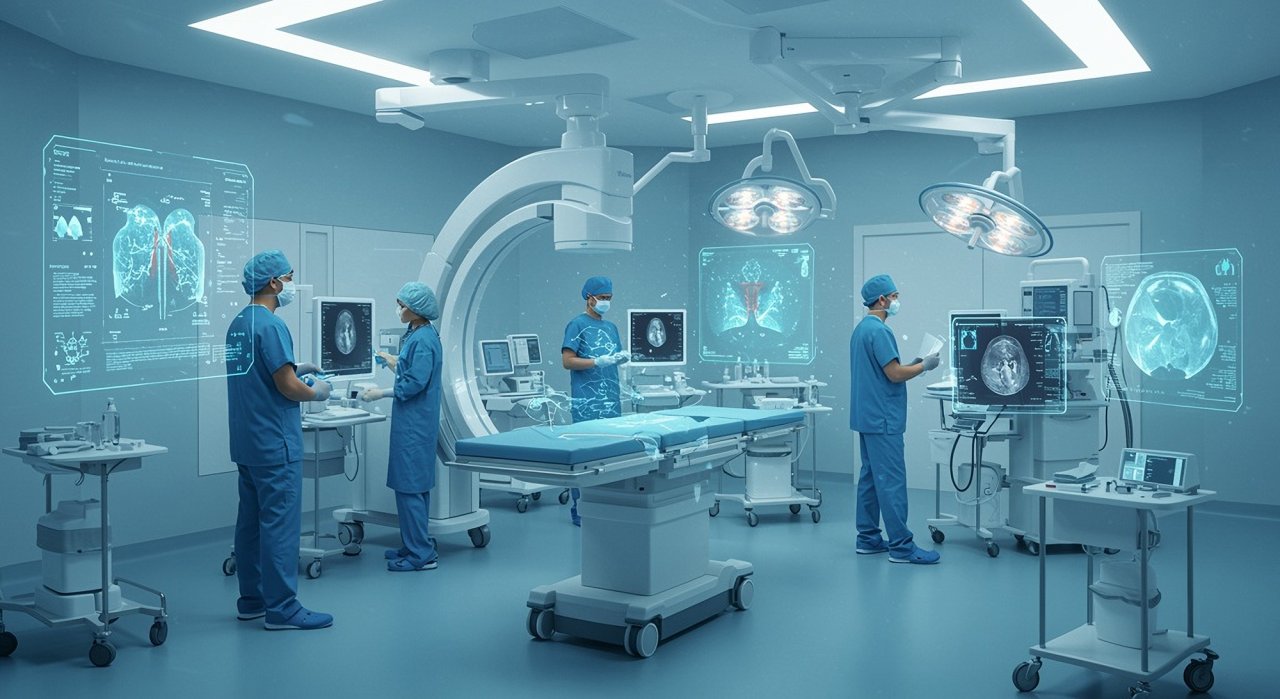
Webinar: AI-driven medical devices used in precision medicine
Date: 16th April
Time
14:00-15:00 CET (Central European Time)
Organizer
Ana Nordberg
Commentator
Katharina Ó Cathaoir
How to register
Please register here by 12 pm on Thursday 16th April.
You will receive a Zoom-link shortly before the event.
For questions contact: ana.nordberg@jur.lu.se
About
AI-driven medical devices used in precision medicine have important implications for the right to health and its four pillars, 1) availability, 2) accessibility, 3) acceptability, and 4) quality. Although this webinar will primarily focus on the pillar of ‘quality’, these pillars cannot be examined in isolation. The four pillars are inherently interconnected, and developments in AI and precision medicine may result in both positive and negative effects across all four pillars of the right to health.
AI and precision medicine hold significant potential to strengthen the right to health. For example, AI systems may improve the availability and accessibility of healthcare services. Similarly, precision medicine can enhance availability by promoting the development of medical devices tailored to underrepresented populations. However, AI and precision medicine may also have detrimental effects. During this webinar, the focus will be on AI that can be characterised by their inherent risks, namely 1) inaccuracy, and 2) opacity. This type of AI may negatively impact the quality of health care due to reliability and accuracy concerns. The same holds true as regards precision medicine. For instance, the development of medical devices may negatively affect the quality of healthcare, where the data is incomplete or inaccurate.
About Sarah de Heer
Sarah de Heer is a doctoral candidate at the Faculty of Law at Lund University.